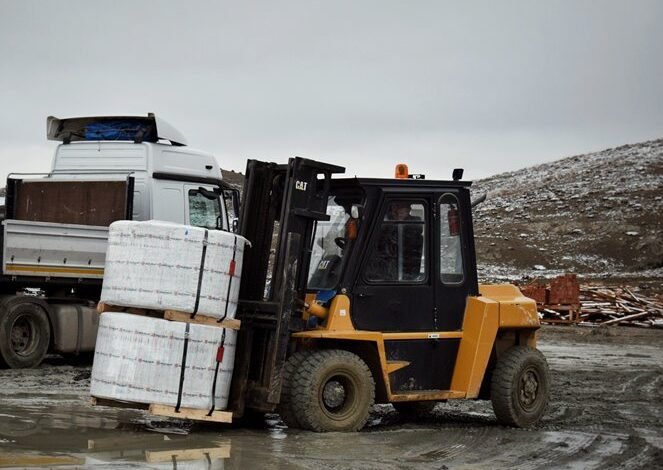
Factory material handling safety integrates hazard control into moving, storing, and distributing items. It links process design with equipment layout to reduce exposure and sustain operations. Regulatory frameworks guide risk assessment, preventive controls, and auditable performance, while clear responsibilities and documented procedures support training and incident reporting. Risk factors drive concrete, measurable controls and engineering safeguards. A disciplined safety program with governance and audits keeps improvements data-driven, but gaps remain that demand careful attention as the next phase of implementation begins.
What Material Handling Safety Really Covers
Material handling safety covers the systematic control of hazards associated with moving, storing, and distributing materials within a facility. It addresses the integration of process design and equipment layout to minimize risk, ensure compliance, and sustain operational continuity. The framework emphasizes risk assessment, preventive controls, and clear responsibilities. Regulatory alignment guides procedure development, training, and performance measurement for consistent, auditable safety outcomes.
How Risk Factors Drive Safe Practices
In assessing risk factors, facilities translate general safety objectives into concrete, measurable controls for material handling activities. Risk assessment informs duty allocations, sequencing, and engineering controls while hazard identification concentrates on potential failure modes and exposure points.
Systematic tolerance for variation supports continuous improvement, documentation, and compliant performance. Clear metrics enable obligation alignment, inspection readiness, and safe, productive operations.
The Regulatory Basics That Guide Workflows
The regulatory framework governing material handling workflows establishes the baseline standards for safety, compliance, and performance. It anchors risk assessment and regulatory compliance, clarifying responsibilities, documentation, and audit trails.
Standards integrate worker training, equipment certification, and incident reporting, enabling consistent decision-making.
While permitting professional autonomy, it delineates boundaries, ensuring systemic risk controls align with lawful obligations and organizational objectives.
Practical Control Measures for Every Stage
What concrete controls are required at each stage of material handling to reduce risk and ensure compliance? At each phase, implement standardized safe devices, clearly marked hazards, and documented procedures.
Enforce tiered approvals, regular inspections, and prompt corrective actions. Emphasize team communication, incident reporting, and training records. Maintain specific performance criteria, traceability, and audit readiness to sustain regulatory alignment and operational safety.
Building a Smarter, Continuous Safety Program
A continuous safety program in material handling integrates proactive monitoring, data-driven decision making, and systematic improvement to sustain regulatory alignment and operational safety. It emphasizes formal governance, defined metrics, and routine audits to optimize practices.
Frequently Asked Questions
How Do Workers Report Near-Misses Effectively?
Reporting near-miss procedures are followed by documenting incident details, notifying supervisors, and logging events promptly; effective near miss cues prompt timely investigation, root-cause analysis, and corrective actions to prevent recurrence within the safety management system.
What Are the Costs of Unsafe Handling Practices?
A hypothetical case shows a forklift collision costing a plant millions in downtime, repairs, and fines; cost implications escalate when risk assessments reveal systemic gaps, driving expanding corrective actions and compliance obligations across operations.
How Does Safety Culture Impact Incident Rates?
Safety culture lowers incident rates by promoting near miss reporting, structured training formats, and disciplined risk assessment; organizations with robust safety cultures demonstrate measurable declines, while lax programs correlate with higher incident rates, undermining freedom through preventable harm.
Which Industries Require the Strictest Material Handling Standards?
A statistic shows 42% of OSHA-recordable incidents involve improper material handling. Industries requiring strictest standards include aerospace, chemical, and hazardous logistics, driven by Global regulatory benchmarks and risk profiles; compliance prioritizes safety, efficiency, and transparent auditing without constraint.
What Training Formats Yield the Best Retention?
Training formats yield the best retention, emphasizing active participation and simulations; retention strategies rely on near miss reporting, reinforcing safety culture impact, while accounting for cost of unsafe handling and alignment with industry standards in a regulatory manner.
Conclusion
Effective material handling safety rests on integrated risk control, procedural clarity, and ongoing governance. By aligning engineering safeguards with regulatory requirements, organizations establish auditable performance and accountable duties. Although some may view safety measures as operational drag, disciplined application reduces incidents, downtime, and costs. A data-driven, continuous improvement program—supported by training, incident reporting, and regular audits—ensures safer workflows, sustained compliance, and measurable gains in productivity without compromising worker well-being.