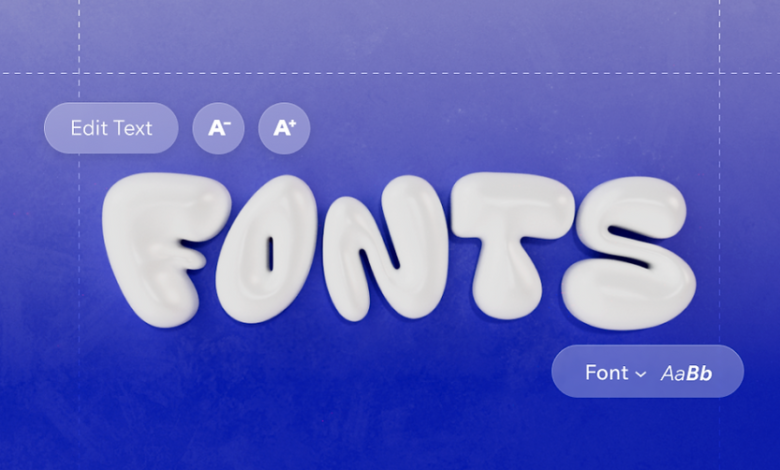
Font styles are the backbone of meaningful visual expression. They determine how text feels, how it behaves within a layout, and how audiences interpret information. Understanding font styles means understanding the emotional tone of a design. For example, clean geometric styles create a professional look, while expressive artistic styles evoke personality and creativity. Fonts from TypeType Foundry, such as TT Norms Pro, TT Commons Pro, TT Jenevers, TT Interphases Pro, TT Ricordi, and TT Trailers, clearly demonstrate how varied font styles can influence perception. TT Norms Pro leans toward neutrality and geometric precision, giving it a stable presence ideal for professional environments. In contrast, TT Ricordi embodies expressive character strokes that feel historical and artistic.
Why Font Styles Play a Fundamental Role in Visual Communication
When designers understand the type of style they are working with, they create clearer hierarchy and more powerful messaging. Without this knowledge, typography becomes random, inconsistent, and difficult for audiences to interpret. Successful visual communication always starts with strong font style choices.
See also: The Difference Between Aged Care Homes and Nursing Homes
How Different Font Styles Affect Mood, Tone, and User Experience
Every font style triggers a specific psychological response. Serif styles often communicate trust, tradition, and authority. Sans serif styles feel modern, clean, and confident. Creative and display styles feel energetic and promotional. Humanist styles feel friendly and warm. TypeType’s wide range of font families allows designers to see how subtle changes create drastically different effects. TT Jenevers, for instance, has a unique serif movement that adds authority and sophistication, making it excellent for editorial or luxury-oriented branding.
On the other hand, TT Firs Text has a humanist sans serif construction that creates a warm and readable presence, ideal for websites or apps where long-form reading occurs. Creative styles like TT Ricordi Fulmini or TT Trailers offer high-energy personality, making them perfect for posters, campaigns, and content where visual impact matters most.
Understanding how these styles change the viewer’s emotional response is the key to using font styles effectively. This is why studying and comparing font styles on typetype.org helps designers make informed decisions.
Why Designers Must Use Font Styles Consistently
Consistency in font styling creates recognition and trust. When a brand uses too many unrelated styles, the design becomes chaotic. A strong font style strategy usually starts with one primary style and one secondary style. For example, a brand might use a geometric sans serif like TT Commons Pro as its primary font style for body text and a serif like TT Jenevers for headings to create a refined contrast. The key is to stay within complementary styles that share visual logic.
Using consistent font styles also improves usability. When audiences learn what a heading, subheading, or caption looks like, they navigate content more easily. Typography becomes a guiding system rather than a decorative afterthought. This is especially important in UI design, where a style like TT Interphases Pro excels because of its digital optimization.
Conclusion
Font styles are essential to communication. By understanding how font styles influence mood, readability, and hierarchy, designers create stronger and more impactful visual systems. With high-quality style options from TypeType Foundry, typography becomes a powerful strategic tool rather than a decorative element.